Examining the Upsides of Choosing Bulk Trucking for Your Logistics Demands
Bulk haulage offers a strategic choice for companies looking to optimize their shipping logistics. Through shipment consolidation, organizations can obtain major financial benefits and decrease their ecological impact. Furthermore, this approach provides enhanced trustworthiness and flexibility in shipping arrangements - Illinois top rated Bulk Trucking. Since the environment of logistics management changes, understanding the nuances of bulk freight transport is necessary for keeping an advantage. What further benefits could this strategy uncover for contemporary companies?
Achieving Cost Reduction Via Economies of Scale
Although many businesses are dealing with increasing shipping expenses, this method delivers significant cost savings through large-scale operations. When combining loads, businesses are able to lower the per-unit cost of transportation, as larger quantities allow for more efficient use of resources such as fuel and labor. This efficiency translates to reduced total costs, thereby positioning bulk haulage as a favorable solution for companies seeking to streamline their supply chain.
Additionally, bulk transport reduces the frequency of trips required, which further decreases costs associated with fleet servicing and labor costs. Companies can negotiate better rates with transport providers when agreeing to bigger loads, allowing them to gain from lower delivery charges. In turn, companies are able to direct their financial gains towards different parts of the business, enhancing their competitive edge. In the end, the financial benefits of bulk transport make it a strategic choice for companies seeking to increase profitability while maintaining efficient supply chain operations.
Lowering the Ecological Footprint
This method plays a major role in a reduced environmental impact, positioning it as a green option for transportation. By consolidating shipments, bulk transport reduces the frequency of travel to transport products, which in turn decreases gasoline usage and harmful emissions. This review now efficient method of shipping bulk items allows for fewer vehicles on the road, lessening traffic jams and wear on infrastructure.
Additionally, numerous bulk transport providers are implementing greener methods, such as using trucks that save gas and improving travel paths to lower their emissions substantially. Implementing sophisticated tools in the supply chain also aids in tracking pollution and improving total effectiveness. Given that corporations are emphasizing sustainability more, selecting bulk hauling helps environmental initiatives and aligns with their corporate responsibility aims. In this way, bulk hauling offers a viable option for businesses looking to reduce their ecological footprint and still completing their logistical requirements.
Enhanced Delivery Speed and Dependability

When businesses opt for bulk transport for moving their goods, they often experience improved delivery times and increased dependability. This mode of transportation is designed to efficiently handle large quantities of goods, reducing the number of trips required. Through combining loads, companies can minimize delays associated with loading and unloading, which translates to accelerated shipping.
Moreover, bulk hauling generally makes fewer pauses, thereby optimizing the transit procedure. A lot of bulk transport firms use modern logistics and tracking systems, providing real-time updates that enhance transparency and accountability. This transparency allows firms to plan better, confirming timely product arrival.
Furthermore, the reliability of bulk trucking is bolstered by experienced drivers and properly serviced trucks, reducing the risk of breakdowns or delays. Therefore, businesses can rely on bulk transport providers to reliably hit their transit targets, ultimately improving customer satisfaction and reinforcing business relationships.
Superior Load Size and Flexibility
While numerous transport choices limit the size of the load, bulk transport provides greater hauling volume allowing firms to ship significant volumes of materials in a single journey. This capability is particularly beneficial for sectors needing to move high quantities of materials, including mining, construction, and agriculture. Using specialized trucks built for bulk goods, firms can improve their delivery methods, minimizing the hauls necessary for delivery.
Additionally, bulk hauling allows adaptability in cargo setup, allowing for diverse product types, such as powders, grains, and liquids. This flexibility helps firms adjust to evolving needs and manage their supply chain effectively without compromising on capacity. By taking advantage of bulk trucking's flexibility and capacity, firms can simplify their workflows, reduce shipping expenses and ensure a more dependable shipping procedure. In conclusion, this choice offers a viable answer for companies seeking to maximize shipping efficiency and meet customer expectations.
Better Management of the Supply Chain
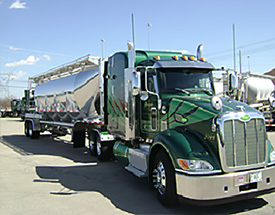
Better SCM processes is easier to achieve with the incorporation of bulk trucking into transport processes. By grouping deliveries, businesses can lower shipping expenses and enhance timeliness. Mass hauling enables the transfer of larger quantities of goods in reduced travel, minimizing the complexity involved in numerous deliveries. This effectiveness makes possible superior warehouse organization, as companies can receive and distribute products with greater speed.
In addition, bulk trucking strengthens interaction and collaboration among supply chain partners. With fewer carriers involved, shipment visibility is streamlined, resulting in better transparency and faster reaction speed to emerging difficulties. The reliability of bulk trucking also ensures that goods arrive at their destinations in optimal state, minimizing the possibility of damage or hold-ups. In conclusion, incorporating mass transport into logistics planning creates a more unified and streamlined transport system, benefiting businesses and the consumers as well.
Frequently Asked Questions
What Types of Goods Are Best Suited for Large-Scale Hauling?
Bulk trucking is ideal for moving significant amounts of product such as agricultural products, construction materials, industrial compounds, and perishable goods. These goods gain from streamlined, affordable transport options, cutting down on manual processing and decreasing transit expenses.
How Do I Find a Dependable Transport Company?
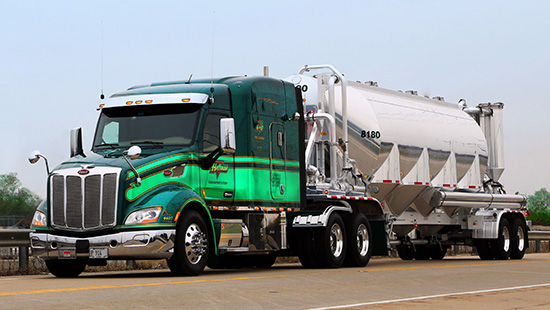
To find a dependable mass transporter, one should check digital feedback, solicit advice from other businesses, assess credentials, and get multiple bids - Illinois top rated Bulk Trucking. Furthermore, evaluating the provider’s experience and fleet capability is essential for informed decision-making
What Is the Average Transit Time for Bulk Shipments?
The average transit time for bulk shipments usually falls between 24 to 72 hours, based on the mileage, route conditions, and the kind of goods. Fluctuations in these conditions can affect delivery schedules considerably.
Are There Weight Restrictions for Large Cargo Deliveries?
Absolutely, bulk trucking loads must adhere to maximum weights, which differ by region and equipment used. Illinois top rated Bulk Trucking. Rules ensure safety and compliance, typically restricting loads to approximately 40 tons for typical commercial vehicles on interstates
Are Bulk Carriers Manage Temperature-Sensitive Shipments?
Absolutely, bulk trucking can accommodate goods requiring climate control by utilizing specific gear, like reefer units. This ability makes certain that sensitive products preserve their necessary climate throughout the journey, safeguarding their condition and quality.